

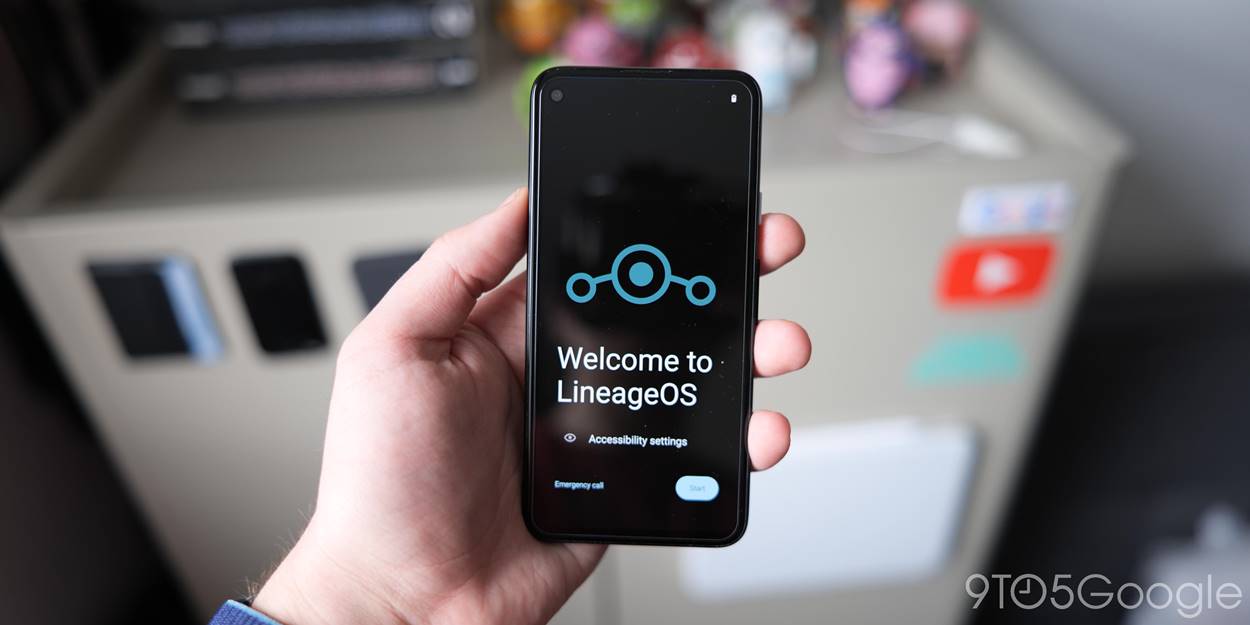
Rewind almost 15 years, and the Android ROM scene was thriving. Nightly builds, tons of projects, we truly were living in a golden age. Nowadays, things have changed significantly. Just what happened to the custom ROM scene, and can it be revived?
Table of contents
The early days: ROMs fixed problems made by OEMs
When you take off the rose-tinted glasses, there were a lot of problems in the early days of Android. The biggest players at that time weren’t so hot on the software side of things. Update schedules were, to put it lightly, atrocious.
You might get a few months of updates before phones were seemingly abandoned or left to languish with little to no notable releases. To get updates, features, and to rid the awful bloat that filled older mobiles, unlocking the bootloader and flashing a custom ROM was a way to clean up the experience, at least providing the owner with options.
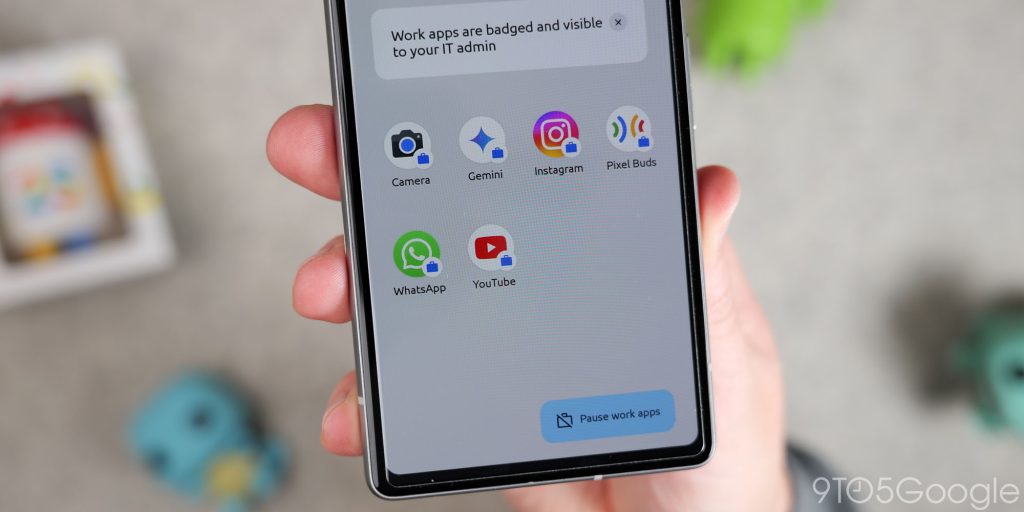
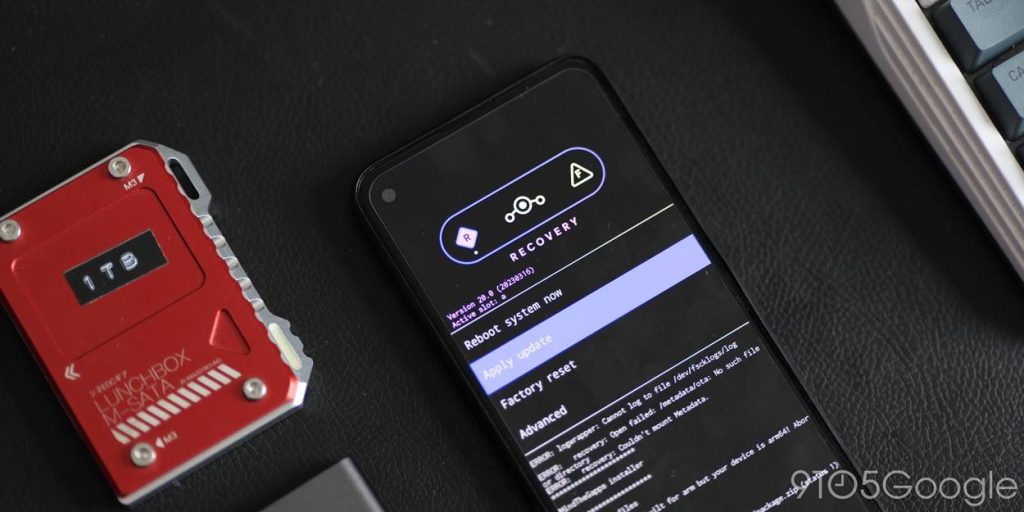
CyanogenMod is etched in the memories of anyone who has used an Android phone before 2015. It was the gold standard, offering a Nexus or Pixel-like experience without the bloat of Touchwiz, HTC Sense, or other builds. Nightly builds meant being on the bleeding edge of what was happening – for better or worse.
The early Android days were marked by projects that offered unique theming options, added common controls, improved performance, battery life, and provided us with options that made it truly possible to make your phone your own.
But then…Android OEMs “fixed” their problem software
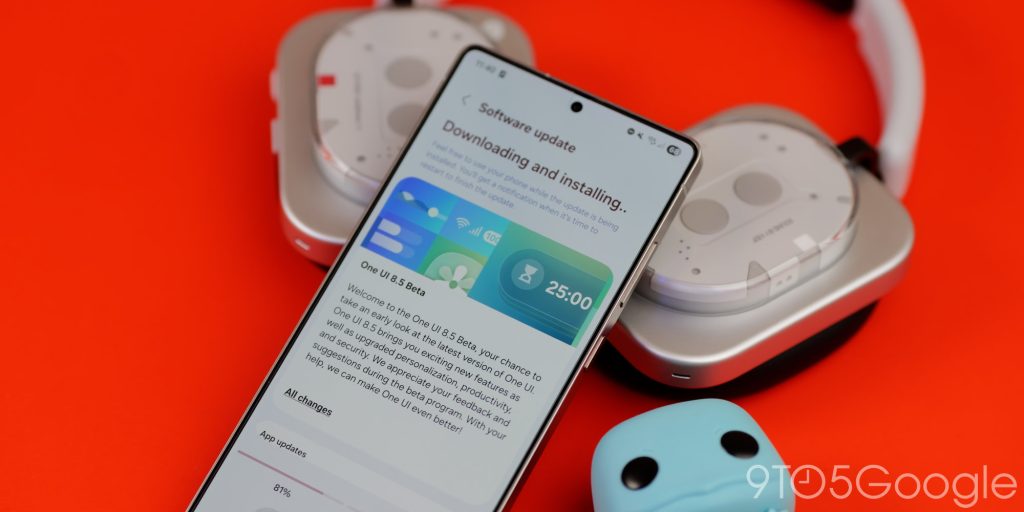
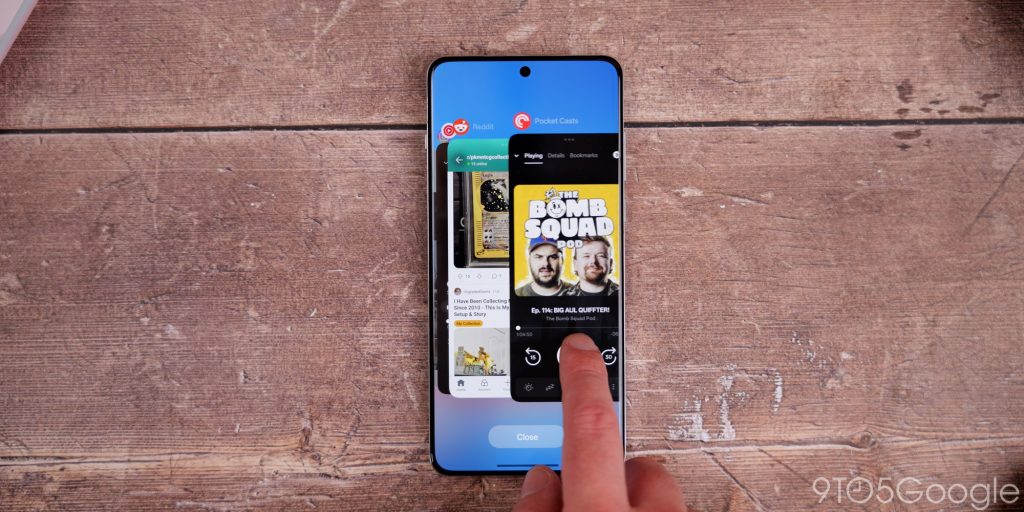
After years of allowing things to become a major problem, to many Android makers’ credit, the software and update problems have almost been eradicated. Not everything is perfect, but from the midrange up, most brands offer solid support windows, regular updates, and, most importantly, the core experience is vastly improved.
OneUI and ColorOS are almost indistinguishable from the software versions that bore that same name just a decade ago. A significant amount of functionality has actually been derived from custom ROMs and integrated into the skins we are left with on modern flagship devices. The work of fans has actually benefited brands.
Everything from dark mode to custom icons with the default launcher was possible before brands decided to integrate or add to their own visions of Android. OnePlus even sought CyanogenMod as the default for the firm’s earliest devices.
Relying on your buyers to fix your software problems isn’t a long-term strategy, but in the early days, it certainly helped.
The decline and rise again of ROMs
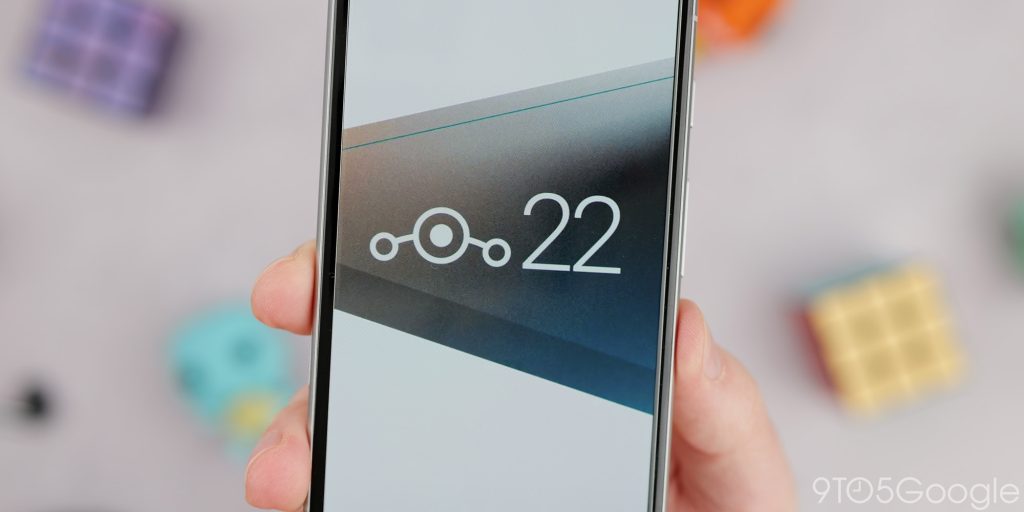
ROM support has dwindled over the past 5 or so years as fewer people feel the need to unlock their devices. In most global regions, unlocked phones are now common even on cell plans. The default software experience has been improved drastically and mostly surpasses even all but the best custom ROMs today. It’s a perfect storm of advances in just about every single area that has led to less interest and desire from even tech-inclined people to stick with modding their smartphones.
Despite glowing praise, many ROM projects were abandoned, merged, or left incomplete, and not perfect if you needed or wanted certain features. Modding is time-consuming too; you might need workarounds for certain functions, like accessing banking apps or using certain services. It’s not for the fainthearted.
Sometimes you want a phone that just works. It’s understandable that many would just leave that behind.
The effort of individuals who maintain many of the Android ROMs we know and love cannot be understated, but there is a limit to how many smartphones can be supported, how many updates can be pushed, and how long people remain interested. Not everyone holds on to their phone for years, so things can fizzle out.
New projects have emerged from the ashes with different aims but similar objectives.
After CyanogenMod bit the dust, LineageOS emerged. Quite possibly the biggest custom ROM project that almost provides the basis for many smaller ports and projects across Android, Lineage has become the poster child for the post-2020 ROM scene on Android.
While we praise the increased support windows for many modern smartphones, there are still casualties from the incessant release cycle.
You might not like the default experience that ships with your phone, and like over a decade ago, you may have options. “May” because while LineageOS is a great option, it doesn’t cover or support every single device released. Maintained by volunteers, devices come and go. Dropping in and out of support as new versions of Android are released and various builds integrate the new changes.
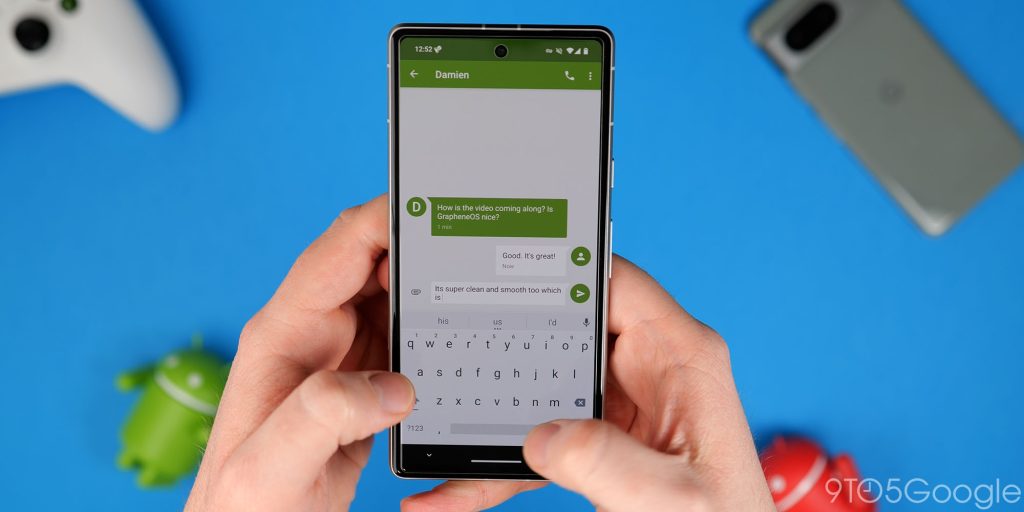
GrapheneOS is a privacy-focused Android ROM that is built on the highest possible standards for security and privacy. Much more limited than LineageOS, as of early 2026, only the Google Pixel lineup can even install Graphene.
As a product, it’s for those who want to untie their reliance on Google products and services and require many other alternatives to have a clean experience. That makes it very tough to recommend to non-techie people, but a fantastic project that has a place in the mobile space. If you can deal with certain trade-offs, there aren’t many other choices like this.
Like back in the day, some of the same problems persist. Lack of interest, waning developer support, but what has become more problematic in recent times is Google’s stance on the ROM scene.
AOSP Rocky
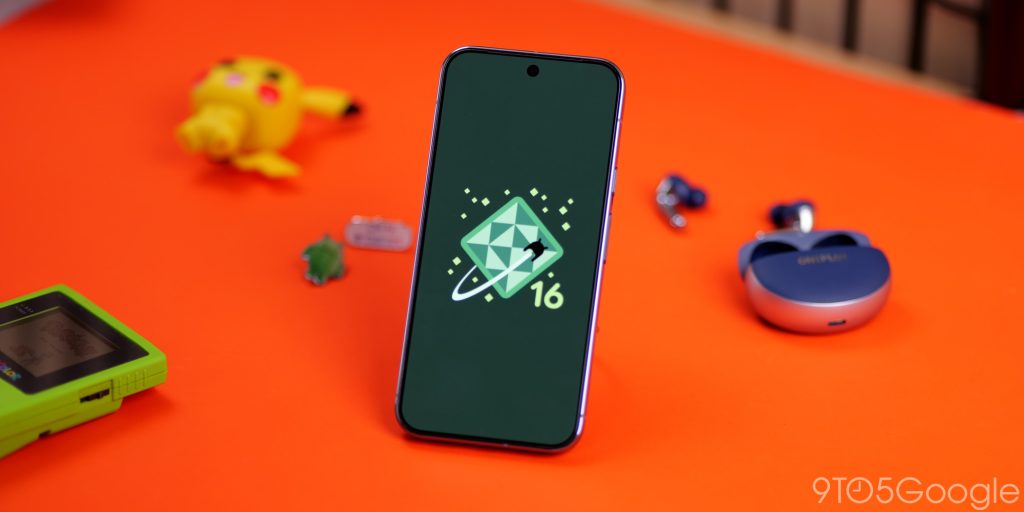
The biggest problem facing Android ROM projects right now is not a lack of interest or even effort from the dev teams behind them. It’s actually from Google’s recent changes to how the Android Open Source Project (AOSP) source code is released. The company didn’t drop all builds on the same day, as it had with every preceding update. This has an unfortunate knock-on for ROMs as the building blocks required to update and build on the new versions are not available in a timely manner.
Whether it’s a hangover from the Pixel-Android team merger or completely unrelated, there is a problem on Google’s side. Delays to AOSP releases, alongside Android platform updates, cause significant headaches for those behind the largest custom ROMs.
So if the ROM you are looking at is focused on privacy and security, well, it might not be as secure until AOSP catches up. This puts much of the scene at risk. Projects can grind to a halt.
Take, for example, LineageOS 23.0. While based on Android 16, it lacks the Material 3 Expressive changes and visual updates that were added with the Android 16 QPR1 release. Luckily, it could signal a return to form, as QPR1 was released to AOSP just before it was launched on Pixel phones in December 2026.
We’re not convinced Android will go closed source, but you can understand fan frustration at these delays.
Is a custom ROM even worth it now?
The biggest question is whether a custom ROM on your phone is even worth it now? For many, probably not.
However, there are some very compelling reasons to at least take a look at a custom ROM for your Android phone, tablet, or TV box. One of my personal favorites is the ability to breathe new life into an old piece of tech. As phones have become more and more powerful, the need to upgrade has diminished drastically year over year.
While some of the biggest brands offer 7-year update plans, not every device is eligible for such an extensive support length. You might have a phone that is ending a 4-year cycle of irregular patches and updates, but are still happy to keep it. In that specific case, a custom ROM is a great way to give you a little more security, safety, and hopefully the ability to squeeze a few more years from that companion.
Lots of brands still have overbearing software. It might be that you want a cleaner experience or just a little more control. That too can be a valid reason to try a custom ROM. Go and check out the various sites, projects, and even subreddits dedicated to your devices to get a real feel for a ROM before you get started, though.
Follow Damien: Threads, Bluesky, Instagram


FTC: We use income earning auto affiliate links. More.





Comments